
 Soyeb Akhtar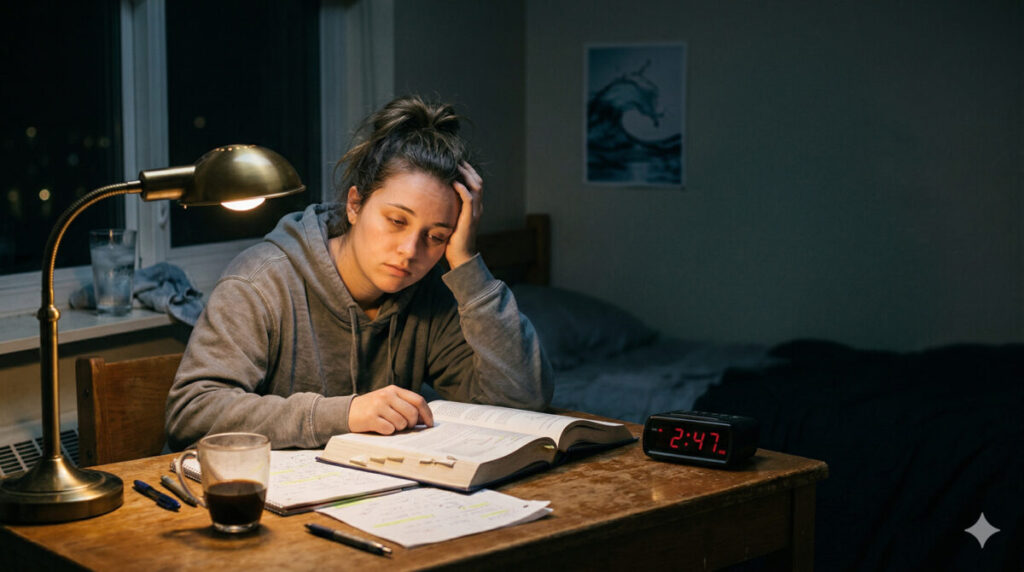
Struggling to keep your eyes open while reading? You’re not alone. Every student — from Class 10 boards to competitive exams like JEE and UPSC — battles this. Here’s the complete guide to fight back.
🗒️ Quick Summary
Feeling drowsy the moment you open your books is one of the biggest challenges for Indian students. In this guide, you’ll learn why you feel sleepy while studying, plus 15 actionable tips to avoid sleep while studying — whether it’s afternoon, evening, or late at night. We cover study environment fixes, brain-food hacks, the Pomodoro method, smart napping, and more. No fluff, no vague advice — just what actually works.
Why Do You Feel Sleepy While Studying?
Before we jump into how to avoid sleep while studying, let’s first understand why it happens. A lot of students try tips without fixing the root cause — and that’s why those tips fail after a few days.
Your brain is an energy-hungry organ. When you study, especially subjects that are boring or complex, your brain burns a significant amount of glucose. Over time, this mental effort creates fatigue — and your body interprets that as a signal to sleep.
Here are the most common reasons students feel sleepy while studying:
- Poor night sleep: If you slept only 4–5 hours, no study trick can fully compensate. Your brain is already running on low fuel.
- Studying in a comfortable position: Lying on a bed or studying on a sofa tells your brain it’s time to relax — and sleep follows.
- No break between long sessions: Non-stop studying for 2–3 hours drains your cognitive energy rapidly.
- Eating heavy meals before studying: Heavy digestion diverts blood flow to your gut, away from your brain, making you feel sluggish.
- Dehydration: Even mild dehydration of 1–2% can noticeably reduce concentration and cause fatigue.
- Studying in dim light: Low light signals your brain to produce melatonin (the sleep hormone).
- Passive reading: Simply reading text without engagement is one of the fastest ways to fall asleep.
- Post-lunch energy dip: Between 1 PM and 3 PM, your body’s circadian rhythm naturally dips — this is when sleepiness peaks.
Research shows that about 50% of college students report significant daytime sleepiness during study sessions, and nearly 70% get insufficient sleep regularly. You’re fighting a real biological challenge — not just laziness.

15 Proven Tips to Avoid Sleep While Studying
Now that you know the why, let’s get into the how. These are not random internet tips — each of these strategies is backed by science and used by toppers preparing for exams like JEE, NEET, CAT, UPSC, and Class 12 boards. Let’s go through them one by one.
1. Fix Your Study Environment
Your study space directly controls your alertness level. A bright, cool, clutter-free room keeps you focused. A dim, warm, comfortable room puts you to sleep — every single time.
Avoid studying on your bed or sofa. Your brain has been trained since childhood to associate your bed with sleep. The moment you lie down with a book, your melatonin kicks in. Sit on a proper chair at a study table instead.
Keep your room temperature slightly cool — between 18°C and 22°C is ideal for alertness. Keep your study desk tidy. A messy table creates mental noise and adds to fatigue. And most importantly, keep your study area completely separate from your sleep area.
If you’re looking to improve your study setup, check out our guide on the 7 Best Drawing Table Lamps for Students in India — the right lamp makes a huge difference in alertness.
2. Use the Pomodoro Technique (The #1 Anti-Sleep Method)
Studying in short, focused bursts is far more effective than marathon sessions that drain your energy and invite drowsiness.
The Pomodoro Technique works like this: study for 25 minutes with full focus, then take a 5-minute break. After 4 such cycles, take a longer break of 15–30 minutes. This rhythm keeps your brain engaged and prevents the mental exhaustion that leads to sleep.
The science behind it is simple — your brain’s focus degrades sharply after 25–30 minutes of intense activity. Taking regular breaks resets that focus clock. You can try our free Pomodoro Timer tool to implement this method right now.
During your 5-minute Pomodoro break — don’t scroll Instagram. Do something physical: walk 20 steps, stretch, splash water on your face, or drink water. This break will actually refresh your brain.
3. Drink Cold Water (Your Cheapest Alertness Hack)
Dehydration is one of the most underestimated causes of sleepiness while studying. Even being mildly dehydrated reduces brain performance by up to 20%.
Keep a bottle of cold water on your study table at all times. Take regular sips every 15–20 minutes. Whenever you feel drowsy, drink a full glass of cold water and splash some on your face. The sudden temperature shock activates your nervous system and pushes away sleep immediately.
According to Healthline’s research on study habits, staying properly hydrated is one of the most effective and sustainable ways to maintain alertness during extended study sessions.
4. Eat Smart — Brain Foods Over Heavy Meals
What you eat before and during studying has a direct impact on how alert you feel. Heavy, oily meals spike your insulin and make your body prioritize digestion over thinking.
Foods that help you stay awake and alert while studying:
- 🥜 Almonds and walnuts (brain fats + protein)
- 🍌 Bananas (natural sugars + B6 for brain function)
- 🍎 Apples (slow-release energy)
- 🌿 Dark chocolate (small piece — caffeine + antioxidants)
- 🥛 Curd or yogurt (probiotics improve gut-brain connection)
- 🫐 Blueberries or any fruit (antioxidants + quick glucose)
Foods to avoid while studying:
- ❌ Heavy biryani, rice-dal, or paratha (makes you drowsy instantly)
- ❌ Processed chips and namkeen (energy crash after 30 minutes)
- ❌ Sugary drinks like cold drink (sugar spike → crash → sleep)
- ❌ Too much tea or coffee (more than 2 cups causes anxiety and crash)

5. Take a Power Nap (The Right Way)
A short power nap can reset your brain better than a cup of coffee — but only if you do it correctly.
Keep naps to 15–20 minutes maximum. Set a firm alarm. This is the NASA-recommended nap duration for optimal alertness post-nap. Anything longer than 30 minutes pushes you into deep sleep (slow-wave sleep), and waking up from that leaves you more groggy than before.
The best time for a power nap is between 1 PM and 3 PM — your natural energy dip window. Don’t fight it. Nap for 15 minutes, wake up, splash water, and return to studying refreshed.
6. Move Your Body — Physical Activity During Breaks
Physical movement is one of the most powerful natural stimulants for your brain. Even 5 minutes of activity can boost your alertness for the next 30–40 minutes.
When you move, your heart rate increases, blood flow to the brain improves, and your body releases endorphins — natural mood and energy boosters. A 2018 study found that even 10 minutes of walking significantly improved students’ memory and problem-solving performance.
During study breaks, try:
- 20 jumping jacks
- 10 push-ups or squats
- A brisk 5-minute walk around your room or outside
- Simple neck and shoulder stretches
- Walking while revising flashcards or notes aloud

7. Study in Bright, Natural Light
Light is one of the most powerful regulators of your sleep-wake cycle. Dim lighting tells your brain to produce melatonin — the hormone that makes you sleep.
Study near a window during the day to get natural sunlight. At night, use a bright white LED desk lamp that mimics daylight. Avoid yellow, warm-toned lights while studying — they’re great for sleeping, not for studying.
If you’re setting up your study space, our guide on the best desk lamps for students in India will help you choose the right lighting for your setup.
8. Switch to Active Learning Methods
Passive reading is the fastest way to fall asleep. Your brain gets no real challenge — so it switches to standby mode.
Active learning keeps your brain fully engaged. Instead of just reading, try these techniques:
- The Feynman Technique: Explain what you just studied in simple words, as if teaching a Class 6 student. This forces your brain to process deeply.
- Mind Mapping: Draw concept maps, diagrams, and flow charts. Visual processing keeps you more alert than linear reading.
- Practice Problems: Alternate between reading and solving problems. The mental switch keeps drowsiness away.
- Reading Aloud: When you read a difficult topic, reading it aloud engages your voice, ears, and eyes simultaneously — much harder to fall asleep.
- Teach Someone: Study with a friend and take turns explaining concepts to each other.
9. Plan Your Studies Smartly — Use a Study Planner
Unstructured studying drains your energy faster because you don’t know what to study next. This uncertainty creates mental fatigue, which accelerates sleepiness.
A clear study plan removes decision fatigue. When you sit down and already know exactly what you need to cover in the next 25 minutes, your brain shifts into execution mode — not wandering mode. Use our free Study Planner tool to organize your daily study sessions effectively.
For more in-depth strategies, read our article on 10 Time Management Skills Every Student Must Master — it covers scheduling, prioritization, and energy management specifically for Indian students.
10. Listen to the Right Music
Music can be a powerful tool for alertness — but only the right kind of music. Choose wisely.
Lo-fi beats, binaural beats (alpha waves), or soft instrumental music can maintain alertness without distracting your brain. Avoid music with lyrics — your brain will automatically start following the words and zone out from your studies.
Volume should be low — just enough to mask background silence. Silence can actually make studying feel more monotonous. A consistent soft background sound keeps your brain subtly engaged.
11. Use Scents to Stay Awake
Certain scents are proven to stimulate your nervous system and reduce drowsiness. This is the most underrated tip on this list.
Peppermint is the gold standard — chewing mint gum or keeping a mint balm on your study table can quickly push away sleepiness. Citrus scents like lemon or orange also work very well. Even keeping a slice of lemon near you can keep you alert.
Eucalyptus oil or camphor balm applied to your temples also works wonders during late-night study sessions. This simple hack is used by many UPSC toppers during their marathon preparation phases.
12. Study With Friends or in a Group
Social accountability is one of the most powerful focus tools available to students — and it’s completely free.
When you study alone for long hours, boredom sets in and sleepiness follows. Studying with even one friend creates a socially engaging environment. You’re less likely to doze off when someone else is present. Group discussions, quizzing each other, and explaining concepts together keep your brain fully active.
If in-person study groups aren’t possible, try virtual study sessions on platforms like Discord or even a simple video call. The social presence effect works even virtually.
13. Keep Your Phone Away — But Use It Smartly
Your phone is not just a distraction — it’s a sleep trigger in disguise. Social media scrolling relaxes your brain into a passive, near-sleep state.
Keep your phone in another room or face-down in a drawer while studying. Use apps like Forest (tree-growing focus app) to lock yourself out of social media during study sessions.
However, phones can also be useful for studying. Tools like the best notes app for students or the top online learning apps for India can make your study sessions interactive and help you stay engaged — which naturally prevents sleep.
14. Prioritize Sleep the Night Before
This is the most important tip — and most students ignore it completely. No study hack can replace a good night’s sleep.
Students need 7 to 9 hours of sleep every night for optimal brain function, memory consolidation, and alertness the next day. If you sleep for 4–5 hours consistently, your brain accumulates sleep debt — and no amount of coffee or tricks will compensate for that.
According to Harvard Health Publishing, proper sleep is the single most important factor in memory retention and cognitive performance — both of which directly affect how well you study and how alert you remain.
Staying awake all night to study (all-nighter) might feel productive in the moment, but research consistently shows that sleep-deprived studying leads to 50% less information retention. One hour of focused studying after 7 hours of sleep beats 3 hours of drowsy studying any day.
15. Find and Study at Your Peak Energy Hours
Your body has a natural energy rhythm throughout the day. Studying during your personal peak hours means you’re working with your biology, not against it.
Most students have two peak focus windows: early morning (5 AM – 9 AM) and late evening (7 PM – 10 PM). These are when cortisol (your alertness hormone) is naturally higher.
Avoid scheduling difficult subjects during your post-lunch dip (1 PM – 3 PM). Use that time for lighter tasks like watching a lecture video, organizing notes, or taking a short nap. For a complete daily study schedule strategy, visit our Productivity Hacks for Students section.
How to Stay Awake While Studying at Night
Night studying is a reality for many Indian students — especially during board exams and competitive exam season. If you need to know how to stay awake while studying at night, here’s your specific action plan:

💡Bright White Light
Use a 6500K daylight LED lamp at night. It suppresses melatonin and signals to your brain that it’s daytime.
❄️Keep Room Cool
Warm rooms accelerate sleep. Drop the temperature to 18–21°C with a fan or AC set on low-medium.
🚰Cold Water Splash
Every 45 minutes, go to the bathroom and splash cold water on your face. Instant wakefulness guaranteed.
🍵One Cup of Tea/Coffee
One cup of black tea or coffee can boost alertness for 4–6 hours. Avoid more than 2 cups to prevent a crash.
📝Write While Reading
Writing notes while reading forces dual cognitive engagement — almost impossible to fall asleep while doing this.
⏰Set a Stop Time
Plan to stop at 12 AM or 1 AM max. Knowing there’s an end keeps your brain motivated and prevents burnout.
Best Time to Study to Avoid Feeling Sleepy
One of the most practical answers to how to study without sleeping is simply to study at the right time. Working with your body’s natural clock instead of fighting it is the smartest approach.
- 🌅 Early Morning (4 AM – 7 AM): This is the gold window. Your brain is refreshed after sleep, cortisol is high, and there are zero distractions. Many UPSC and JEE toppers swear by early morning sessions. Best for: memorization, difficult problems, conceptual topics.
- ☀️ Mid-Morning (8 AM – 12 PM): Your alertness is rising. Excellent for analytical tasks, writing, and problem-solving.
- 😴 Post-Lunch (1 PM – 3 PM): Avoid heavy study here. Your energy naturally dips. Use this for light revision, watching video lectures, or a short nap.
- 🌇 Evening (5 PM – 7 PM): Second wind period. Good for group study, discussions, and reviewing what you studied in the morning.
- 🌙 Night (8 PM – 11 PM): Solid study window if you’re well-rested and use bright lighting. Best for revision and note-making.
Common Mistakes Students Make That Cause Sleepiness
Most students are unknowingly sabotaging their own focus. Here are the biggest mistakes to avoid:
- Studying on the bed or sofa — you’ve trained your brain to sleep there.
- Starting a 3-hour session without any plan or break schedule.
- Eating biryani or a full meal right before sitting to study.
- Using dim or yellow lighting during evening or night study sessions.
- Scrolling Instagram during study breaks — this relaxes your brain too much.
- Pulling all-nighters before exams — the night before an exam is not the time to study; it’s the time to sleep.
- Drinking too much coffee — more than 2–3 cups causes anxiety, followed by a hard crash.
- Studying the same boring subject for 3+ hours straight without switching topics.
- Keeping your phone on the desk — every notification is a micro-distraction that builds up into major fatigue.
- Not drinking water for hours — chronic dehydration during study sessions is extremely common and extremely harmful.
⚡ Expert Tips for Laser-Sharp Focus While Studying
- Study your hardest subject first, when your energy is highest. Saving difficult topics for when you’re already tired is a recipe for sleep.
- Use the “Two-Minute Rule” — if you feel sleepy, stand up and do two minutes of physical activity before giving up on the session.
- Write your goal for the session on a sticky note and stick it in front of you. A clear goal keeps your brain motivated and reduces drifting.
- Try the “Study Under Observation” method — go to a library or a common room where others are studying. Social environment is a powerful alertness trigger.
- Switch subjects every 45–60 minutes. A fresh topic resets your brain’s interest level and fights boredom-driven sleepiness.
- Keep a water spray bottle near your desk. A quick spray of cold water on your face is faster and more effective than going to the bathroom when you feel a sudden wave of sleepiness.
- Use our Pomodoro Timer to automate your study-break cycles — removes the mental load of tracking time manually.

Frequently Asked Questions
Why do I feel sleepy while studying even when I’m not tired?
How to avoid sleep while studying at night without coffee?
What is the best time to study to avoid feeling sleepy?
Does coffee help in staying awake while studying?
How many hours should a student sleep to study effectively?
Conclusion: Stop Fighting Sleep — Start Studying Smarter
Feeling sleepy while studying is not a sign of laziness. It’s your body responding to bad study habits, poor environment, or insufficient rest. The good news? Every single reason is fixable.
Start with the basics: sleep 7–8 hours at night, study in a bright room, sit on a proper chair, and use the Pomodoro method. Layer in active learning, hydration, brain foods, and movement breaks. These aren’t separate tips — they work together as a system.
You don’t need to try all 15 tips on day one. Pick the top 3–4 that match your current problem and implement them consistently for a week. You’ll notice a dramatic difference in how long you can study without feeling drowsy.
And remember — one hour of focused, alert studying is worth more than three hours of drowsy reading. Quality over quantity, every single time.
For more practical productivity strategies built for Indian students, explore our full Productivity Hacks section on Learnox — it’s packed with guides tailored to board exams, competitive exams, and college life.


My luck really turned around once I started playing here and the games feel completely fair. Table games run at perfect speed and the dealers always maintain a cool professional vibe. I tested the cash out feature several times and the process never got stuck. Highly recommend this platform to friends who want a trustworthy gaming environment. 7ballcccasino