
 Soyeb Akhtar
Let’s be honest — most students in India study on their bed, at the dining table, or in a noisy corner of the living room. That’s fine occasionally, but if you’re preparing for boards, JEE, NEET, UPSC, or even college exams, a proper study room design can make a massive difference to your focus and output.

You don’t need a large house or a big budget. With the right choices — the correct desk placement, good lighting, and a few smart storage ideas — even a 100 sq ft room can become a powerful study space.
In this guide, I’m sharing 15 practical study room design ideas specifically tailored for Indian students. These are not just pretty Pinterest pins — each idea is backed by research and common sense. Let’s get into it.
Why Your Study Room Design Actually Matters
There’s solid research behind this. A study published on NIH found that physical environment directly affects cognitive performance, stress levels, and motivation. In plain terms: a messy, dark, uncomfortable room makes you dull. A clean, bright, well-organised room keeps your brain sharp.
For Indian students specifically, there are unique challenges — small apartments, noisy families, power cuts, and limited budgets. A smart study room design addresses all of these without spending a fortune.
- ✅ Reduces time wasted looking for books or stationery
- ✅ Signals your brain it’s “study time” (environmental conditioning)
- ✅ Cuts distractions from family members and household noise
- ✅ Prevents back and neck pain from bad posture during long study sessions
- ✅ Makes revision feel less stressful, especially before exams
15 Study Room Design Ideas for Indian Students
1 Get Your Desk Position Right
Where you place your desk matters more than what desk you buy. The single best thing you can do for your study room design is to position your desk near a window. Natural light reduces eye strain, improves your mood, and keeps you alert — especially in the morning.
Place your desk so that the light comes from your left side (if you’re right-handed) to avoid shadows falling on your notebook. If you can’t place it near a window, invest in a good daylight LED lamp — it’s worth every rupee.
2 Lighting — The Most Underrated Factor
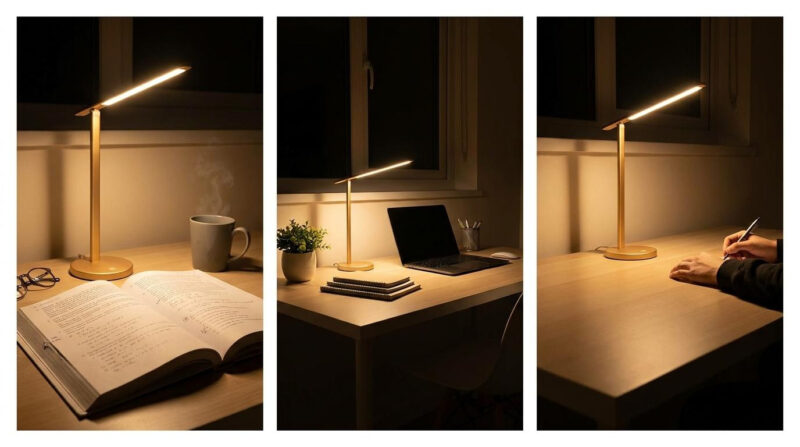
Poor lighting causes eye strain, headaches, and fatigue within an hour of studying. Good lighting keeps you sharp for 3–4 hours at a stretch. Here’s what to do:
- Overhead light: Use a warm-white LED bulb (4000K–5000K range) in the ceiling. Avoid yellow bulbs — they cause drowsiness.
- Task light: A dedicated desk lamp for reading and writing. Look for one with adjustable brightness and a flexible neck.
- Natural light: Keep your curtains open during the day. If outside light is too harsh, use sheer curtains instead of thick drapes.
- Night study: Avoid studying with only your laptop screen as the light source. It destroys your eyes over time.
Budget pick: The Syska or Philips LED desk lamps available on Amazon India for ₹600–₹1,200 are excellent for students.
3 Choose Colours That Help You Focus
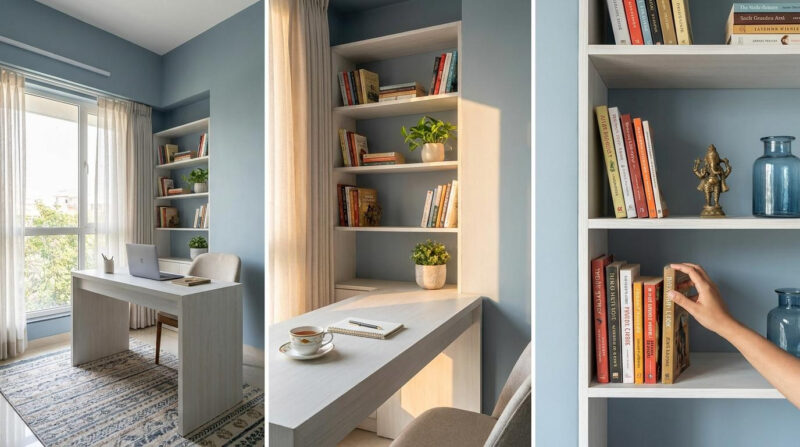
Here’s a quick guide for Indian students:
- Soft Blue: Promotes calm focus. Great for students who feel anxious before exams.
- Light Green / Sage: Easy on the eyes and reduces stress. Works well in small, windowless rooms.
- Off-White / Cream: Reflects light well and makes a room feel larger. Classic and timeless.
- Avoid Red: It increases heart rate and can make you feel agitated. Not ideal for studying.
- Avoid Dark Grey: Makes small rooms feel even smaller and heavier.
4 Invest in an Ergonomic Chair
A bad chair is the silent enemy of every student in India. Most of us sit on plastic chairs or wooden stools with zero back support. After 2–3 hours, the pain distracts you more than any notification on your phone.
Ergonomic furniture is designed to support your natural body posture. For a study chair, look for these features:
- Adjustable seat height so your feet are flat on the floor
- Lumbar (lower back) support — this is non-negotiable
- Armrests at elbow height
- A slight recline option for reading breaks
You don’t need an expensive gaming chair. Mid-range ergonomic chairs from brands like Featherlite, Green Soul, or even the ₹2,000–₹4,000 range on Flipkart work well for students studying 4–6 hours a day.
5 Keep the Desk Clutter-Free
This sounds obvious, but I see Indian students with desks piled with old question papers, 3 water bottles, a charger, snacks, and notebooks from 3 different subjects — all open simultaneously.
A cluttered desk = a cluttered mind. Studies on cognitive load confirm this repeatedly. For an effective study room design, follow this simple rule: only keep what you need for the current study session on your desk. Everything else goes on shelves or in drawers.
Use these organising tools:
- A desktop organiser for pens, erasers, and highlighters
- A cable management clip or velcro strap to tame phone chargers
- A single subject notebook + textbook rule: only the current subject is open
- A small tray for loose papers — never let papers pile freely
Also consider checking out our free study planner tool to plan your sessions in advance — knowing what subject you’re studying prevents the “which book do I need?” panic.
6 Use Vertical Space with Wall Shelves
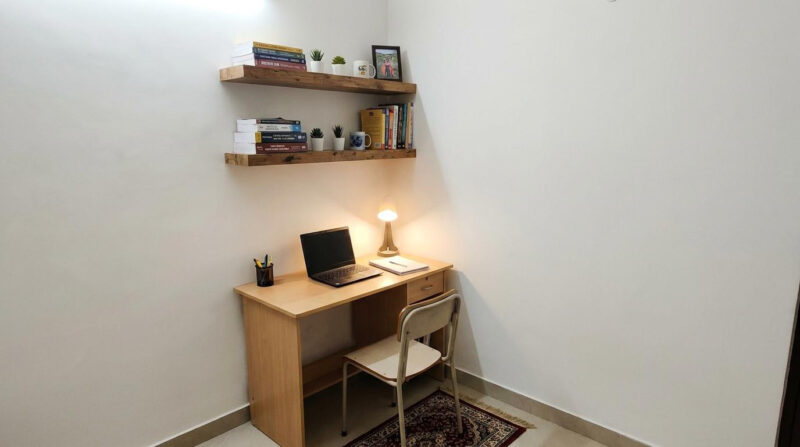
Wall-mounted shelves are one of the best upgrades for any study room design with limited space. You free up floor and desk space while keeping everything accessible. Here’s how to use vertical space smartly:
- Install 2–3 floating shelves directly above your study desk
- Keep frequently used books at eye level, reference books higher up
- Use small bins or baskets on shelves to group loose items
- Add a small plant or a motivational quote print on one shelf — it makes the space feel alive
Floating shelves are available at IKEA, Pepperfry, or even local hardware stores for as low as ₹500–₹800 per shelf. If you’re renting, use adhesive-backed wall shelves that leave no marks.
7 Add a Whiteboard or Corkboard
A whiteboard on the wall is one of the most powerful tools for a student study room design. It’s where you can jot formulas, map out concepts, track your weekly goals, and visualise what you’re trying to learn — all without wasting paper.
If you can’t afford a whiteboard, try these:
- A self-adhesive whiteboard sheet (₹200–₹400 on Amazon India) — peels right off the wall
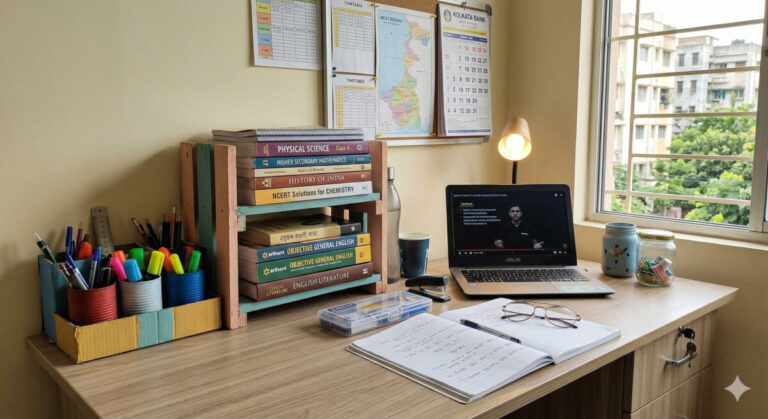
- A corkboard for pinning important notes, exam timetables, and revision checklists
- A glass door or almirah door as a makeshift whiteboard — use dry-erase markers and wipe clean
Using a time table for study at home becomes 10x more effective when it’s physically visible on your wall, rather than buried in a notebook.
8 Small Room? Try a Corner Desk
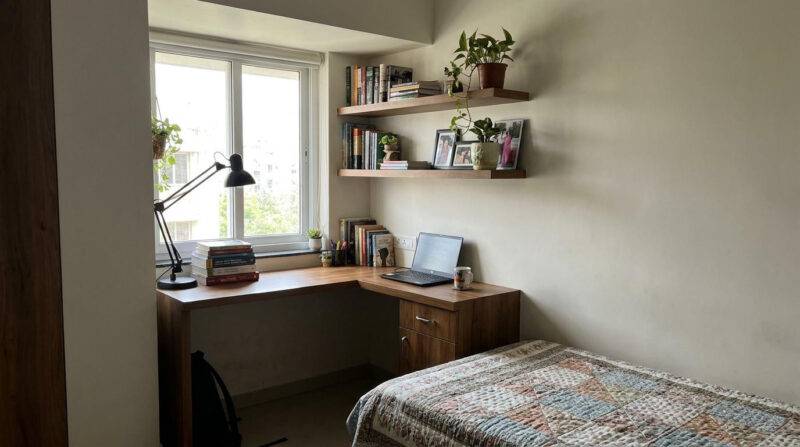
An L-shaped or corner desk uses the two walls of a corner — giving you more surface area while taking up less floor space than a traditional rectangular desk. For small rooms:
- Choose a foldable wall-mounted desk if space is extremely tight
- Use the desk only for studying — no eating, no social media scrolling
- Keep a curtain or bookshelf as a visual divider between your bed and desk to create psychological separation
- A loft bed with a desk underneath is an excellent space-saving idea for hostel-style rooms
9 Add Indoor Plants for a Fresher Vibe
This one surprises a lot of people, but plants genuinely improve your study environment. Research confirms that indoor plants can reduce stress and increase productivity in work and study environments.
You don’t need a garden. One or two small plants on your desk or shelf is enough. Best low-maintenance study room plants for Indian homes:
- Money Plant (Pothos): Extremely low maintenance, thrives in indirect light
- Snake Plant: Releases oxygen at night and needs watering only once a week
- Peace Lily: Cleans indoor air and grows well in shaded rooms
- Lucky Bamboo: Small, decorative, and almost impossible to kill
Even if you travel frequently, these plants can survive a week without water. Get them from a local nursery for ₹30–₹100 each.
10 Manage Noise Smartly
Noise is the #1 study killer in Indian homes. Between TV sounds, family conversations, neighbours, and street noise — it can feel impossible to focus. Your study room design needs a noise management plan.
Here’s what actually works:
- Seal the door: A door draft stopper (₹100–₹200) significantly reduces noise seeping in under doors
- Thick curtains: They dampen external noise while also blocking harsh sunlight during afternoon sessions
- White noise: A small fan or a free white noise app on your phone can mask distracting background sounds
- Noise-cancelling earphones: If budget allows, earphones with noise isolation (not necessarily ANC) work very well for hostel students
- Study timing: Design your schedule around the quietest times — early morning (5–8 AM) and late night (9–11 PM) are usually the calmest in most Indian households
Combine noise management with the Pomodoro Technique for studying — focused 25-minute sessions make noise interruptions feel less overwhelming because you know a break is coming.
11 Follow Vastu Shastra Tips (Optional but Helpful)
Whether or not you believe in Vastu, many of its principles are aligned with logical, practical advice. Here are the key Vastu tips for study room design that are also scientifically sensible:
Facing east while studying means you face the morning sun — natural alertness booster.
The northeast corner gets the most natural morning light — ideal for placing your study desk.
Use south and west walls for heavy bookshelves. Keep east and north walls lighter.
Keep the northeast corner clean and open. Avoid heavy furniture blocking morning light.
Whether you follow Vastu strictly or not, the principle of maximising natural light and facing a clear, open direction while studying is universally beneficial.
12 Create a Dedicated Tech Zone
In 2026, most students need a laptop, phone, and possibly a tablet for studying. But if you don’t manage these devices, they become the biggest distraction in your own study room.
Here’s how to build a smart tech zone in your study room design:
- Designate one specific spot for your laptop — always. Never move it to the bed.
- Use a cable organiser or adhesive cable clips on your desk edge to avoid tangled cables
- Keep a small charging station on a side shelf — not the main desk surface — for phones and tablets
- Put your phone face-down or in another room entirely during study sessions
- Use blue-light glasses or enable night mode on your laptop screen during evening sessions
If you rely on apps for studying, our guide to the best self-study apps for students in India covers the top tools that actually help rather than distract.
13 Personalise — But Do It Smartly
Your study room should feel like yours — not a sterile library. Personalisation makes you actually want to sit there and study. But there’s a right way and a wrong way to do this.
Good personalisation (motivating, not distracting):
- 1–2 motivational posters or quotes on the wall ahead of you
- A small photo frame of your goal — college, dream job, whatever drives you
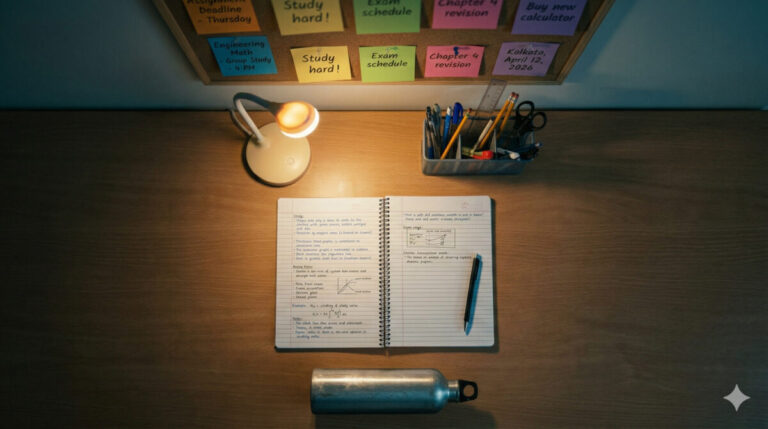
- Your exam countdown on a sticky note at eye level
- A vision board on the corkboard with cut-outs from magazines
Bad personalisation (distracting):
- Posters of your favourite movie/series characters on the study wall
- Too many trinkets and decorative items on the desk
- A TV visible from the study area
- Notification badges from apps visible on your laptop screen
14 Study Room with a Bed — Yes, It Can Work
Most Indian students share rooms or live in hostel spaces where the bed and desk are in the same room. This isn’t ideal, but it’s manageable with the right study room design approach.
The key is physical and visual separation between your study and sleep zones:
- Use a bookshelf, curtain rod, or even a tall plant as a room divider
- Make your bed every morning — a made bed reduces the temptation to lie down mid-study
- Never take your textbooks to bed — it blurs the mental boundary between work and rest
- Face your study desk away from the bed so it’s not in your line of sight while studying
15 Budget Study Room Setup for Indian Students
Not every student can spend ₹20,000 on a full study setup. Here’s a realistic budget study room design plan that works for most Indian students under ₹5,000:
| Item | Option | Approx. Cost |
|---|---|---|
| Study Table | Second-hand / Amazon Basic | ₹800 – ₹2,000 |
| Chair | Basic revolving study chair | ₹800 – ₹1,500 |
| Desk Lamp | Syska / Wipro LED Desk Lamp | ₹450 – ₹900 |
| Wall Shelves | Local hardware / adhesive shelves | ₹300 – ₹600 |
| Whiteboard Sheet | Self-adhesive whiteboard roll | ₹200 – ₹350 |
| Desk Organiser | Plastic/bamboo desktop organiser | ₹150 – ₹300 |
| Plant (1–2) | Local nursery — Money plant | ₹50 – ₹100 |
| Total Estimate | ₹2,750 – ₹5,750 | |
For bigger purchases, spread them out over a few months. Start with the essentials: a lamp, a desk organiser, and a good chair. Everything else can come later.
Also check out our in-depth guide on study setup ideas for students for more product recommendations at every price point.
Expert Tips for the Perfect Study Room Design
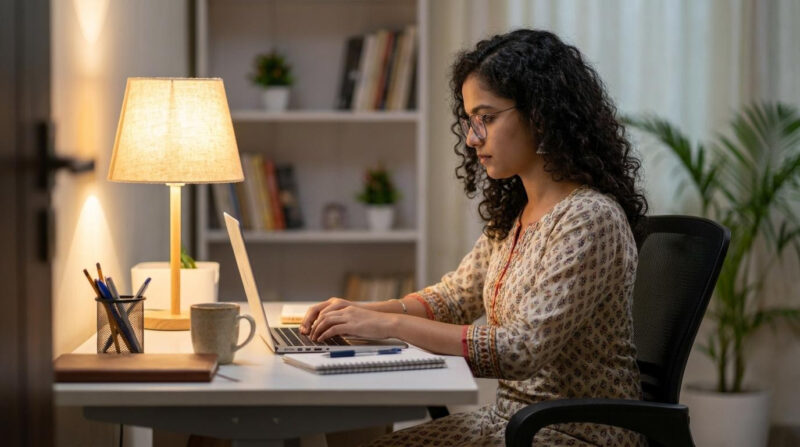
🌡️ Keep the Room Cool
Ideal study temperature is 20–22°C. A fan aimed at your feet (not face) helps you stay alert without discomfort.
🕐 Use a Timer
Use our free Pomodoro timer to study in focused blocks. The routine itself becomes part of your room’s study signal.
🪴 One Plant Rule
Start with just one plant. The visual green element reduces eye fatigue when you look up from your textbook every few minutes.
🔋 Power Backup Plan
In India, power cuts are real. Keep a small power bank for phone charging and a rechargeable LED lamp so cuts don’t break your flow.
🧹 5-Minute Sunday Reset
Every Sunday, spend 5 minutes clearing your desk, restocking stationery, and reviewing your schedule. Start every week fresh.
📵 Phone Box Method
Put your phone inside a box or drawer before studying. Out of sight = out of mind. Simple, but the most effective distraction reducer.
Common Mistakes to Avoid in Study Room Design
Even well-intentioned students make these mistakes when setting up their study space. Avoid these and you’re already ahead of 90% of your peers:
Your bed is a sleep zone. Studying on it trains your brain to associate your bed with work stress — and your desk with laziness. Always sit at a desk.
Even a face-down phone on the desk reduces concentration by up to 20% (research from UTSA). Put it in a drawer or another room.
Yellow light signals “sleep time” to your brain. Use white or neutral LED lighting (4000K–5000K) for evening study sessions to stay alert.
If your desk is the wrong height, you’ll hunch your shoulders or raise them up, leading to neck and shoulder pain within weeks. The desk surface should be at elbow height when seated.
Your needs change. A Class 10 setup is different from a JEE preparation setup. Review and adjust your setup every 3–4 months.
A stuffy room with no fresh air increases CO₂ levels and makes you drowsy faster. Keep a window slightly open during study sessions whenever possible.
Feeling overwhelmed before exams even after getting your setup right? Read our guide on how to reduce stress during exams for practical mental strategies that complement your physical space.
Frequently Asked Questions (FAQs)
Here are the most common questions Indian students ask about study room design:
What is the best colour for a study room in India?
Light blue, soft green, and off-white are the best colours for a study room. These colours reduce eye strain and help your brain stay calm and focused during long study sessions. Avoid red and dark grey — they either agitate or dampen your mood.
How can I design a study room in a small space?
Use a corner or L-shaped desk to maximise floor space. Add wall-mounted shelves to go vertical. Keep only the essentials on your desk and use under-desk storage baskets to reduce clutter. A foldable wall-mounted desk is the best solution for extremely tight spaces like PG rooms.
Which direction should I face while studying according to Vastu?
According to Vastu Shastra, you should face east or north while studying. Facing east means you face the rising morning sun, which naturally boosts alertness. The northeast corner of the room is considered ideal for placing your study desk as it gets the most natural light.
What furniture is must-have for a study room?
The must-have furniture for a study room includes: a sturdy study table at the right height, an ergonomic chair with lumbar support, a bookshelf or wall-mounted shelves, and a dedicated desk lamp. If space allows, a small filing cabinet or a drawer unit for storing papers is also highly useful.
How much does it cost to set up a basic study room in India?
A basic but functional study room setup in India costs between ₹3,000 and ₹6,000. This includes a budget desk (second-hand or Amazon basic), a simple revolving chair, a LED desk lamp, and one or two wall shelves. You can add more pieces over time as your budget allows.
Conclusion: Your Study Room Design Is Your Competitive Edge
Most students underestimate how much their physical environment impacts their performance. The reality is, a thoughtful study room design doesn’t just make your space look good — it removes friction between you and your goals.
You don’t need to implement all 15 ideas at once. Start with the three most impactful changes: fix your lighting, clear your desk, and position yourself facing east or near a window. Do those three things this week, and you’ll already feel the difference.
From there, layer in the rest — a plant here, a whiteboard there, better storage over time. A great study room design is built gradually, just like a great academic result.
Once your space is ready, make sure your study habits match your setup. Use our free study planner tool to plan your sessions, and check out our guide on how to make a time table for study at home to structure your week.
Ready to Build Your Perfect Study Space?
Explore more practical guides, free tools, and study tips built specifically for Indian students on Learnox.
Inspiring story there. What occurred after?
Good luck!